Local SEO for HVAC companies is the process of optimizing an HVAC business’s online presence so it appears in local Google search results, attracts qualified customers, and turns search demand into booked service, installation, and maintenance work.
HVAC demand is driven by location, climate, and timing. Customers search when systems fail, when seasons change, or when facilities plan upgrades and maintenance. HVAC companies that are easy to find in local search and follow up professionally are the ones that tend to win the most valuable work.
This guide explains how local SEO works for HVAC businesses, why it matters even more for commercial-leaning companies, and what actually turns visibility into predictable revenue.
Why Local SEO Is Important for HVAC Businesses
Local SEO matters for HVAC businesses because demand is seasonal, competitive, and often high value.
Most HVAC searches include geographic intent, such as city names, service areas, or “near me” modifiers. Google prioritizes HVAC companies that demonstrate proximity, relevance, and trust. Businesses that do not rank locally miss opportunities during peak demand periods.
Three factors increase the importance of local SEO for HVAC companies:
- Seasonal demand spikes
Heating and cooling failures surge during extreme weather. HVAC companies that rank locally during these windows capture disproportionate demand. - High-value decision cycles
Commercial installs, retrofits, and maintenance contracts involve longer evaluation periods. Visibility across multiple searches builds trust before contact. - Mixed residential and commercial intent
Many HVAC companies serve both homeowners and commercial properties. Local SEO must support both without diluting relevance.

Commercial vs Residential HVAC SEO
Local SEO applies to all HVAC businesses, but expectations differ depending on who you serve.
Residential HVAC SEO
Residential HVAC searches are often urgent and seasonal. Homeowners typically prioritize:
- Availability
- Proximity
- Reviews
- Speed of response
Residential customers tend to act quickly when systems fail or weather conditions change.
Commercial HVAC SEO
Commercial HVAC SEO targets facility managers, property owners, and operations teams. These buyers evaluate:
- Scope of services
- System expertise
- Reliability and follow-through
- Long-term service capability
Commercial decisions take longer, but consistent visibility builds credibility well before the first call.
This guide is written with commercial and hybrid HVAC providers in mind.
How Local SEO Works for HVAC Companies
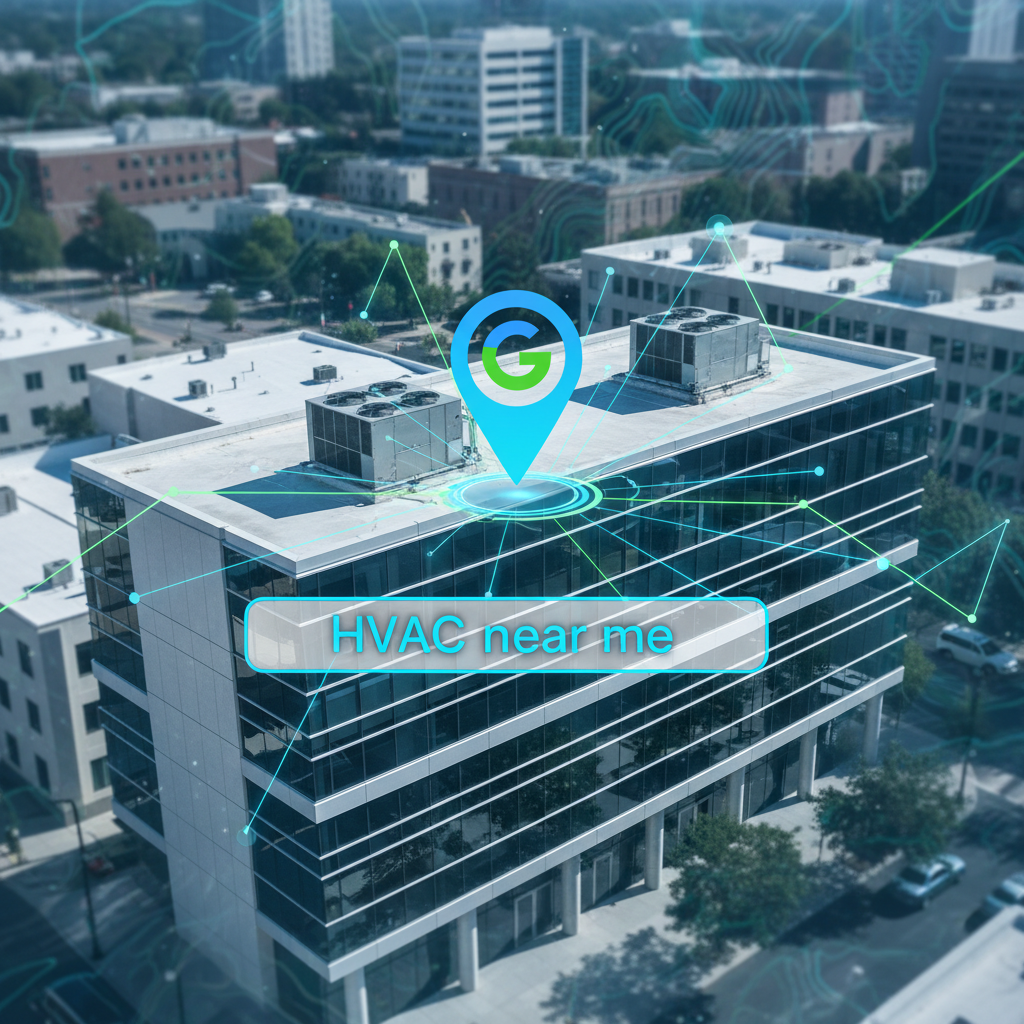
Signals Google Uses for Local HVAC Rankings
Google evaluates several core factors, including:
- Google Business Profile
Categories, service areas, activity, and customer engagement all influence visibility. - Website relevance
An HVAC website confirms services offered, service areas, and business legitimacy. - Trust signals
Reviews, citations, and consistent business information validate real-world presence.
Local rankings improve when these signals reinforce each other consistently.
What You Can Do to Appear in Top Local Results
Ranking in local search requires steady execution across a few fundamentals. HVAC companies that perform well focus on the basics and do them consistently.
Optimize Your Google Business Profile
Google Business Profile is one of the fastest ways HVAC companies improve local visibility.
Key areas to focus on include:
- Selecting accurate primary and secondary categories
- Defining realistic service areas
- Keeping hours and business information current
- Posting photos of equipment, installs, and completed work
- Collecting and responding to reviews consistently
Google evaluates engagement behavior, not just profile completeness.
Use Local Keywords on Your Website
Your website should clearly communicate what HVAC services you offer and where you offer them.
Effective local keyword use means:
- Referencing service areas naturally
- Creating service-specific pages for installation, repair, and maintenance
- Avoiding repetitive or stuffed location phrases
Clarity matters more than volume.
Optimize Your Website Structure
An HVAC website supports local SEO by confirming relevance and converting visitors into leads.
Key elements include:
- Separate pages for core services
- Mobile usability and fast load times
- Clear calls, forms, and scheduling options
Ranking traffic that does not convert produces no business value.
Build Trust With Reviews and Proof
Reviews influence both rankings and buying decisions.
Strong review strategies focus on:
- Consistent review acquisition over time
- Responding professionally to feedback
- Reinforcing reliability and service quality

Keep Business Information Consistent
Inconsistent business details weaken local rankings.
Your name, address, and phone number should match across:
- Your website
- Google Business Profile
- Directories and review platforms
Consistency reinforces legitimacy.
Local SEO for HVAC Companies in Competitive Markets
Local SEO fundamentals remain the same across cities, but competition density and climate conditions change execution.
HVAC companies in major metros compete against more providers and higher ad saturation. In hotter or colder regions, seasonal demand spikes increase competition further.
Competitive markets require:
- Stronger review consistency
- Clear service differentiation
- Faster operational response
The ranking systems remain the same. The threshold for visibility increases.
Why Ranking Alone Does Not Win HVAC Contracts
Local SEO failures rarely occur at the ranking stage.
They occur after visibility is achieved.
For HVAC businesses, common breakdowns include:
- Delayed follow-up on estimates
- Missed inquiries during peak seasons
- Stalled proposals for installs or retrofits
- Poor handoffs between sales and operations
Ranking increases opportunity volume. Opportunity volume exposes execution gaps.
Turning HVAC Search Traffic Into Booked Work
Local SEO succeeds when visibility connects directly to execution.
HVAC companies that convert traffic consistently share three traits:
- Structured lead capture
- Disciplined follow-up
- Clear handoffs between office and field teams
Being found is only the first step. What happens next determines growth.
How ResQ Supports HVAC Companies After They Rank
Some HVAC businesses address the execution gap by using systems designed to support what happens after visibility increases.
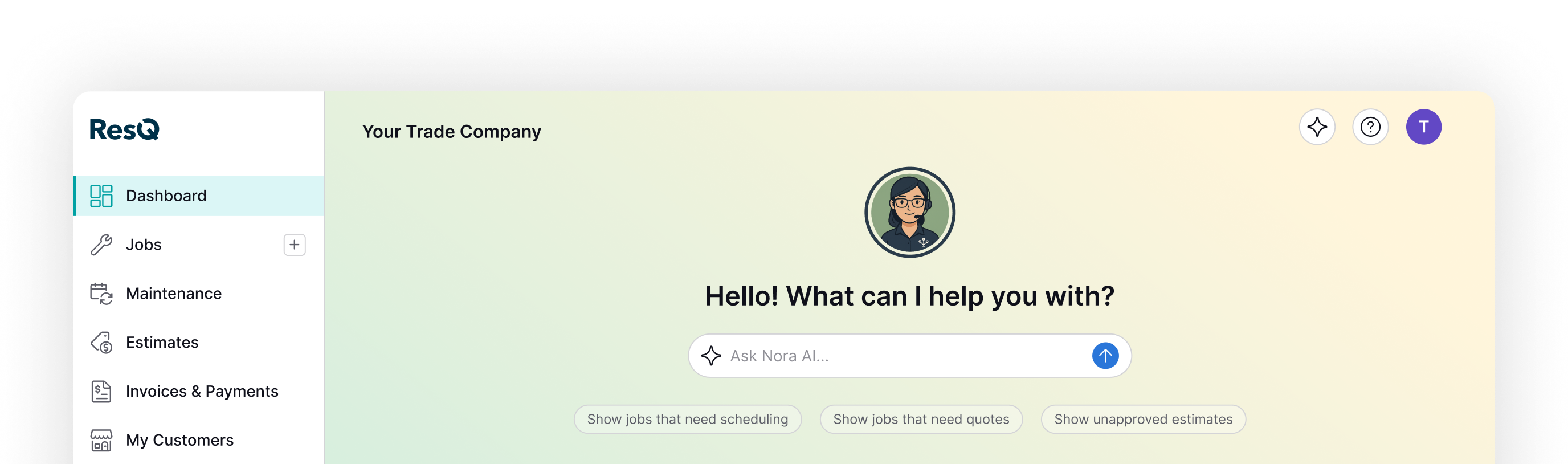
ResQ is one example of this approach. It helps HVAC companies stay organized once leads start coming in, ensures follow-up does not slip during peak demand, and keeps job details connected from first inquiry through completion.
Final Takeaway
Local SEO plays a key role in whether an HVAC business gets found when customers search for heating and cooling services nearby. Strong rankings are built through an accurate Google Business Profile, a clear website, and trust signals like reviews and consistent business information.
HVAC companies that follow up consistently and operate with discipline are the ones that turn search visibility into real, reliable work.